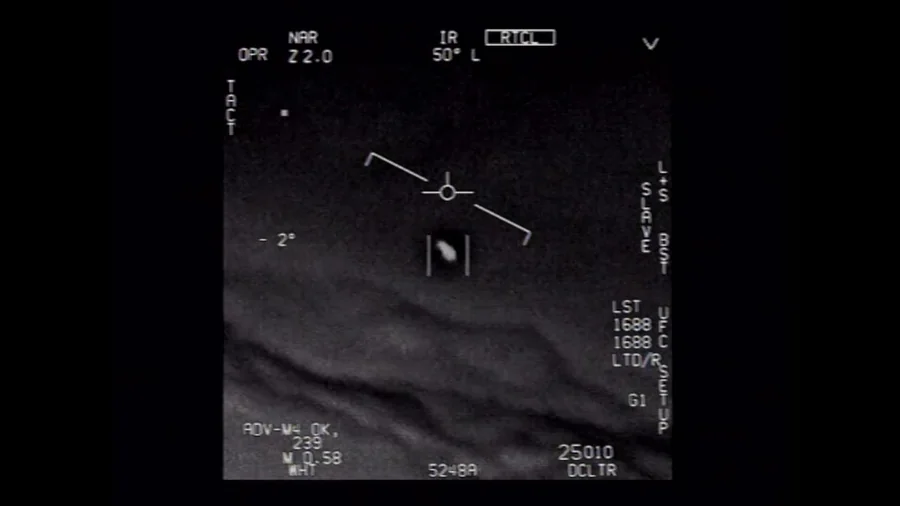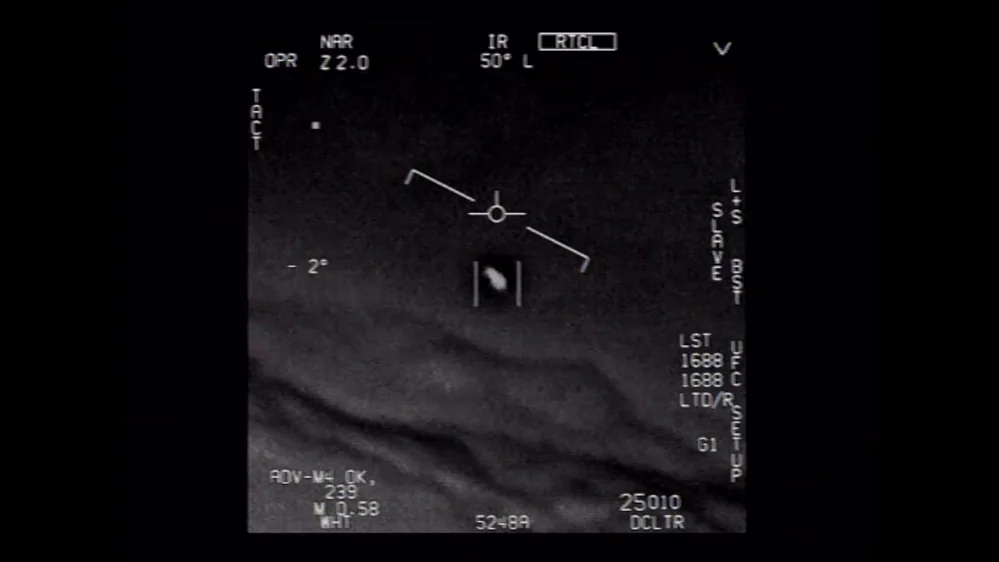
Reports are records of observations and assessments. Totals include retrospective submissions, and case status can change as analysis continues.
Numbers in a government report can look more self-explanatory than they are. The FY2024 consolidated UAP report is a useful reading exercise because it distinguishes the period in which an incident happened from the period in which it entered the reporting system.
Start with what is being counted
AARO received 757 reports covered by that publication. Of those, 485 concerned incidents within the May 1, 2023 to June 1, 2024 reporting window. Another 272 concerned events from 2021 and 2022. Treating all 757 as newly occurring sightings in one year would misdescribe the record.
The report also explains that limited and delayed sensor information constrained assessments. A witness’s account can identify an incident worth investigating while leaving physical questions that require measurements.
Follow the date attached to the status
Case accounting also changes as a report moves toward publication. The FY2024 executive summary and the body use different cutoff and closure language. A chart that combines “resolved,” “recommended for closure” and “finalized by publication” without explanation can turn administrative stages into a misleading discovery rate.
Our reading rule is simple: keep the category, its definition and its date together. A new submission, a newly resolved old case and a still-open investigation are three different developments.
What can the record establish?
The office said it had found no evidence of extraterrestrial beings, activity or technology. That is its stated finding within the reviewed record. It should be attributed and evaluated alongside the report’s data limitations.
Useful scrutiny includes asking for clearer release practices, better data and reproducible analysis. It also includes resisting a conclusion that the available information cannot support. A well-documented unknown is more useful than a confident label without evidence.
Follow the sources
- FY2024 consolidated UAP report (PDF) ODNI-hosted report; November 14, 2024
- NASA independent study final report (PDF) The panel’s findings, limitations and recommendations
Source check: October 12, 2026. Linked material establishes only the claims described in its source note. Official attribution and publication do not eliminate uncertainty. Read our editorial standard.
People and the wider public record
Explore the backgrounds and source boundaries behind related public discussions.
Official UAP hearing records ↗This is original, AI-assisted research and analysis compiled from the linked sources. It has not received independent expert review. We distinguish source findings from our interpretation and record substantive corrections. Corrections policy