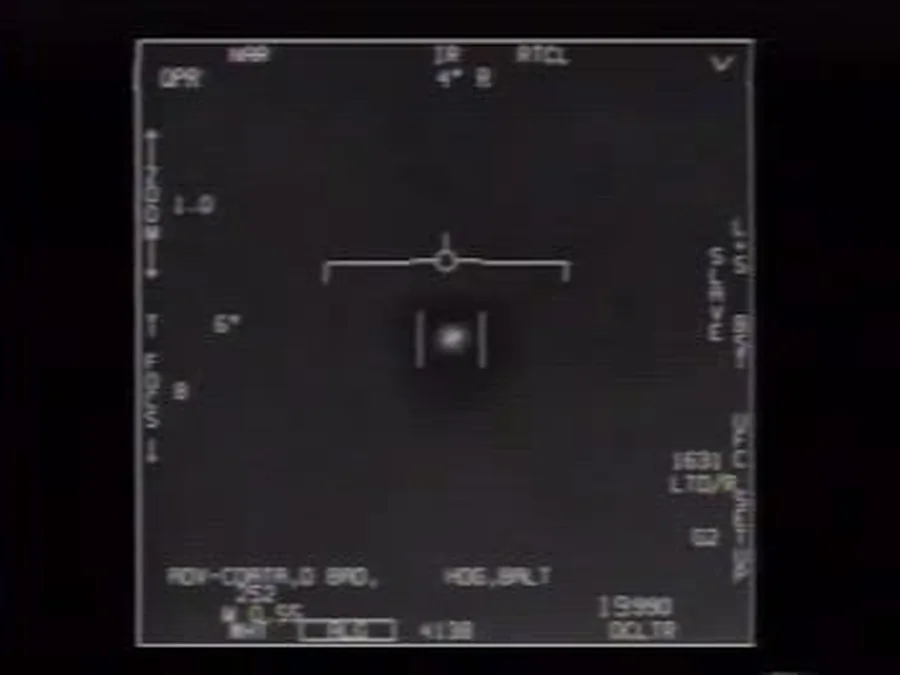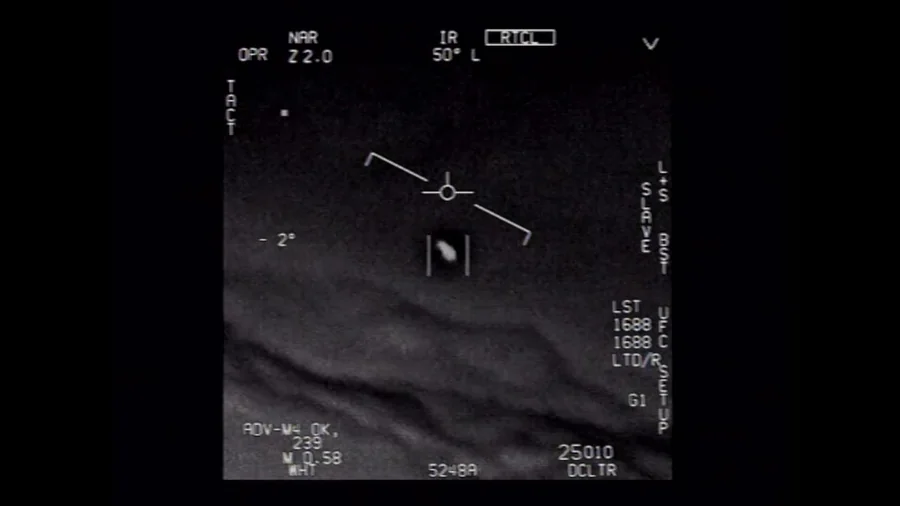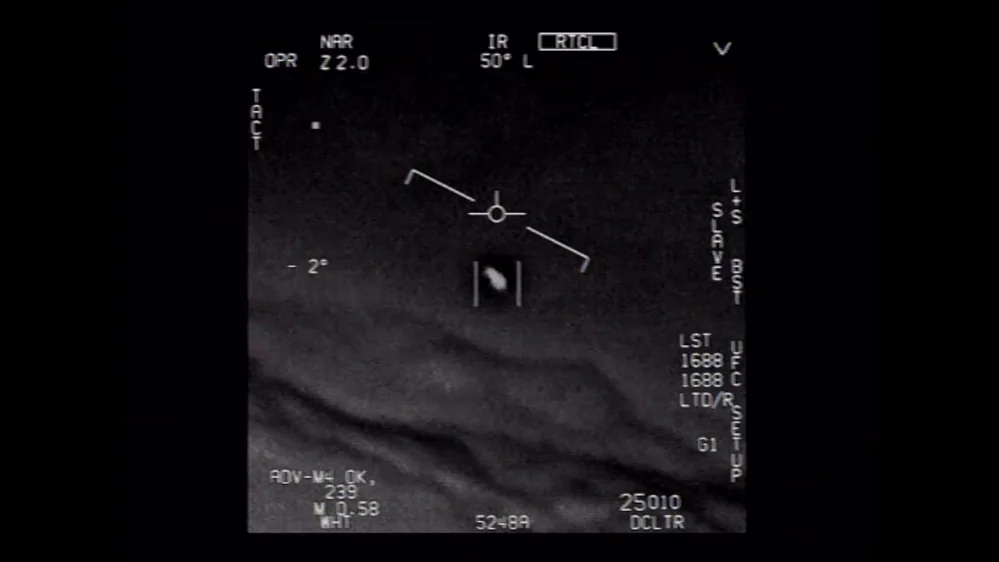
A public report confirms that observations were recorded and assessed. Its unresolved category does not establish an extraterrestrial explanation.
Government UAP reports are worth reading carefully. They describe real reporting and investigation processes, while leaving important questions about individual observations open. AARO’s FY2025 release is a useful example of why the details behind a headline number matter.
Read the totals in their own time window
Senator Kirsten Gillibrand’s July 21, 2026 statement on the report says AARO received 319 reports, of which 114 were explained and 205 remained unresolved. It also says another 256 cases from earlier reporting periods were resolved. The reporting window runs from June 2, 2024 to May 30, 2025, and includes older incidents that had not previously been recorded.
Those dates describe different parts of the process. An encounter can happen in one year, be reported in another, and receive an assessment later. The report’s FY2025 name and its 2026 publication date should therefore never be turned into a claim that all 319 incidents happened in 2026.
Why satellite flares matter
The official Senate summary highlights 238 cases attributed to satellite flaring: flashes caused when sunlight reflects toward an observer. That figure belongs to the report’s broader discussion of resolution work. It should not be mislabeled as 238 of the 319 newly received reports.
This is a practical reason to preserve time, location, viewing direction and the original recording when documenting an unusual light. Comparing observations with a plausible cause depends on those details.
What the report leaves open
“Unresolved” records an investigative status. A case may lack the observations needed to distinguish several explanations. An open case also remains open to useful new evidence. Neither point licenses a leap to a specific kind of craft or occupant.
Readers should be cautious about comparing the 319 reports with FY2024’s 757. Reporting windows, retrospective submissions, available sensors and administrative categories all affect totals. A simple year-over-year percentage would suggest more than these figures establish.
Our coverage follows the publicly available record. The case totals above come from the official Senate summary and AARO’s publication listing; the full report is linked below for readers who want to inspect the underlying document.
Follow the sources
- AARO FY2025 annual report (PDF) Official report; publication index lists July 20, 2026
- Senator Gillibrand’s statement on the FY2025 report July 21, 2026; official public summary of case totals
- AARO congressional and press products Official publication index
- FY2024 consolidated UAP report (PDF) ODNI-hosted report; November 14, 2024
Source check: October 12, 2026. Linked material establishes only the claims described in its source note. Official attribution and publication do not eliminate uncertainty. Read our editorial standard.
People and the wider public record
Explore the backgrounds and source boundaries behind related public discussions.
- David Grusch: background and evidence profile ↗
- Luis Elizondo: background and evidence profile ↗
- Christopher Mellon: background and evidence profile ↗
This is original, AI-assisted research and analysis compiled from the linked sources. It has not received independent expert review. We distinguish source findings from our interpretation and record substantive corrections. Corrections policy