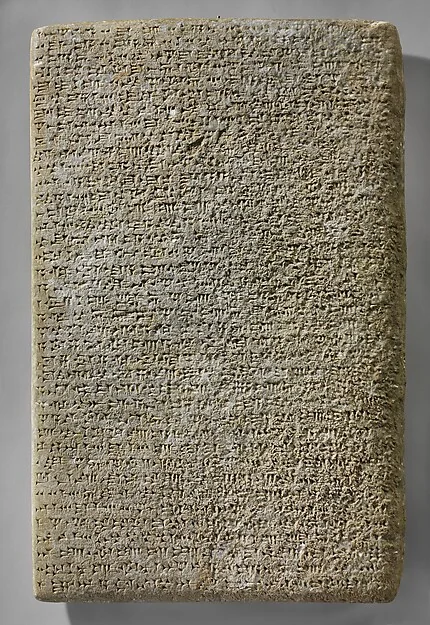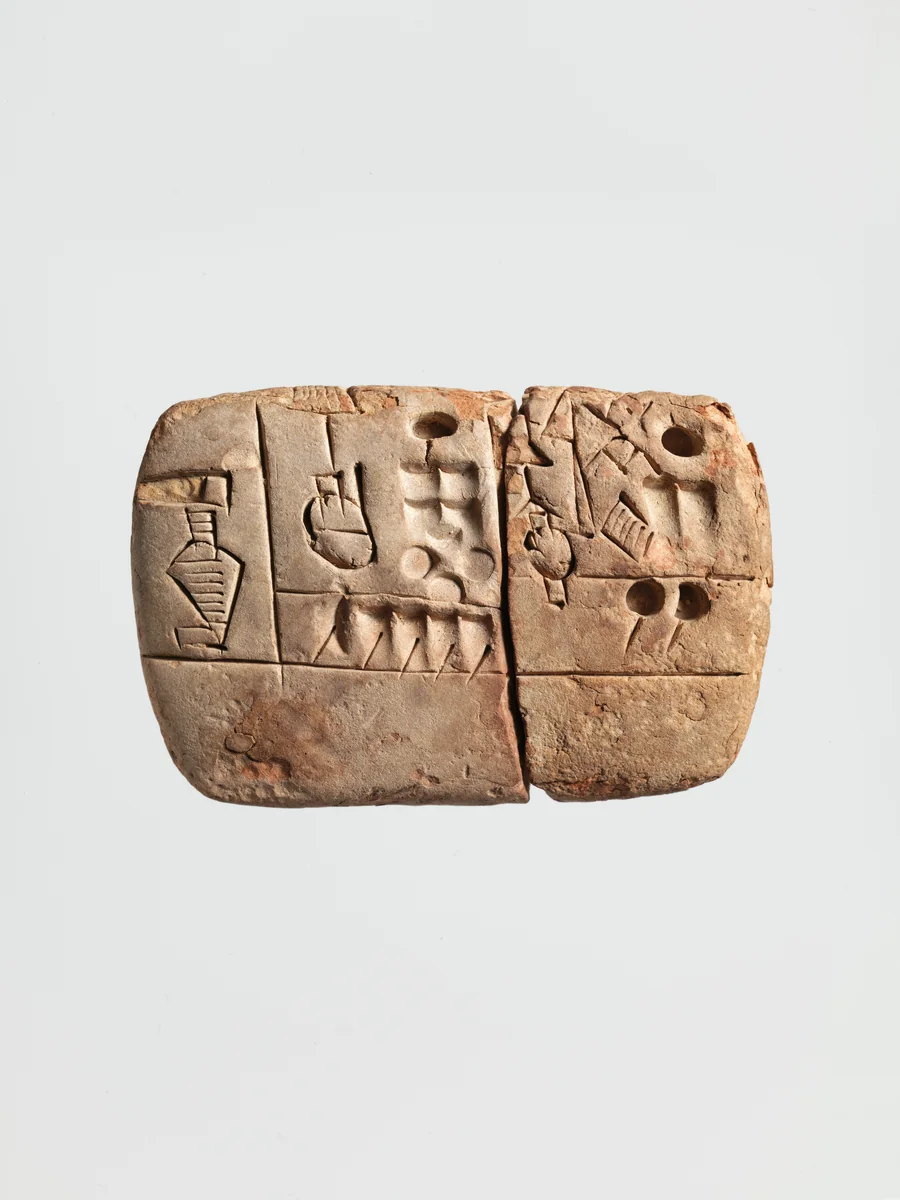
The tablets are evidence of ancient literature and its transmission. A modern technological interpretation needs support beyond a narrative’s extraordinary imagery.
The Epic of Gilgamesh belongs to the literature of ancient Mesopotamia. Its ancient setting and extraordinary events have made it a frequent reference point in discussions of lost civilizations and ancient visitors. The first task is to identify which text and translation a claim actually uses.
Which Gilgamesh text?
Assyriologist Andrew George distinguishes the Babylonian epic, composed in Akkadian, from earlier Sumerian poems about Gilgamesh. His scholarly work reconstructs the text from surviving clay-tablet evidence. That matters because “the Sumerian tablets” can become an imprecise phrase that hides differences of language, date, composition, and manuscript.
The evidence on the clay
The British Museum catalogues fragments of the epic's eleventh tablet, containing its flood narrative. These are material objects that can be placed in a museum collection and studied as writing. Their survival establishes that an ancient flood story was transmitted; it does not independently establish every event within that story.
Read an actual passage
Oxford's Electronic Text Corpus of Sumerian Literature offers another direct route into the tradition: Gilgamesh and Huwawa, version A. Its opening connects the hero's journey with mortality and the pursuit of lasting renown. The edition openly marks alternative manuscript readings and damaged passages. Those visible uncertainties are part of responsible translation, not evidence that an omitted technological explanation has been concealed.
Testing a later interpretation
Readers interested in an ancient-astronaut interpretation should keep it next to, rather than inside, the translation. Ask which word or scene is being interpreted, how the translator renders it, and whether the proposed meaning fits the wider composition. A god, a radiant being, or an extraordinary journey is a narrative feature before it becomes evidence for a specific modern technology.
The epic remains compelling without a predetermined answer to that modern question. Its surviving texts allow readers to examine how ancient authors imagined human limits, divine power, danger, and remembrance—and to evaluate later theories against the actual passages.
Follow the sources
- Oxford ETCSL: Gilgamesh and Huwawa, version A Primary-text translation of an earlier Sumerian poem
- Andrew George: The Epic of Gilgamesh SOAS repository; scholarly translation and context
- British Museum: Flood Tablet K.3375 Museum catalogue; Tablet XI of the Babylonian epic
Source check: October 12, 2026. Linked material establishes only the claims described in its source note. Official attribution and publication do not eliminate uncertainty. Read our editorial standard.
This is original, AI-assisted research and analysis compiled from the linked sources. It has not received independent expert review. We distinguish source findings from our interpretation and record substantive corrections. Corrections policy